
Summary
European façades in 2025 focus on sustainability, smart technology, and timeless aesthetics. From low-carbon materials to adaptive façades, ceramic finishes, and green walls, architects are shaping the future of design with long-lasting, climate-responsive solutions.
- Summary
- Key Takeaways
- Design Trend #1: Sustainable & Low-Carbon Materials
- Design Trend #2: Circular & Modular Systems
- Design Trend #3: Smart & Adaptive Façades
- Design Trend #4: Living & Green Façades
- Design Trend #5: Ceramic & Brick-Slip Textures
- Regional Influences & Climate Adaptation
- Novano: The Future-Ready Façade Solution
- FAQs
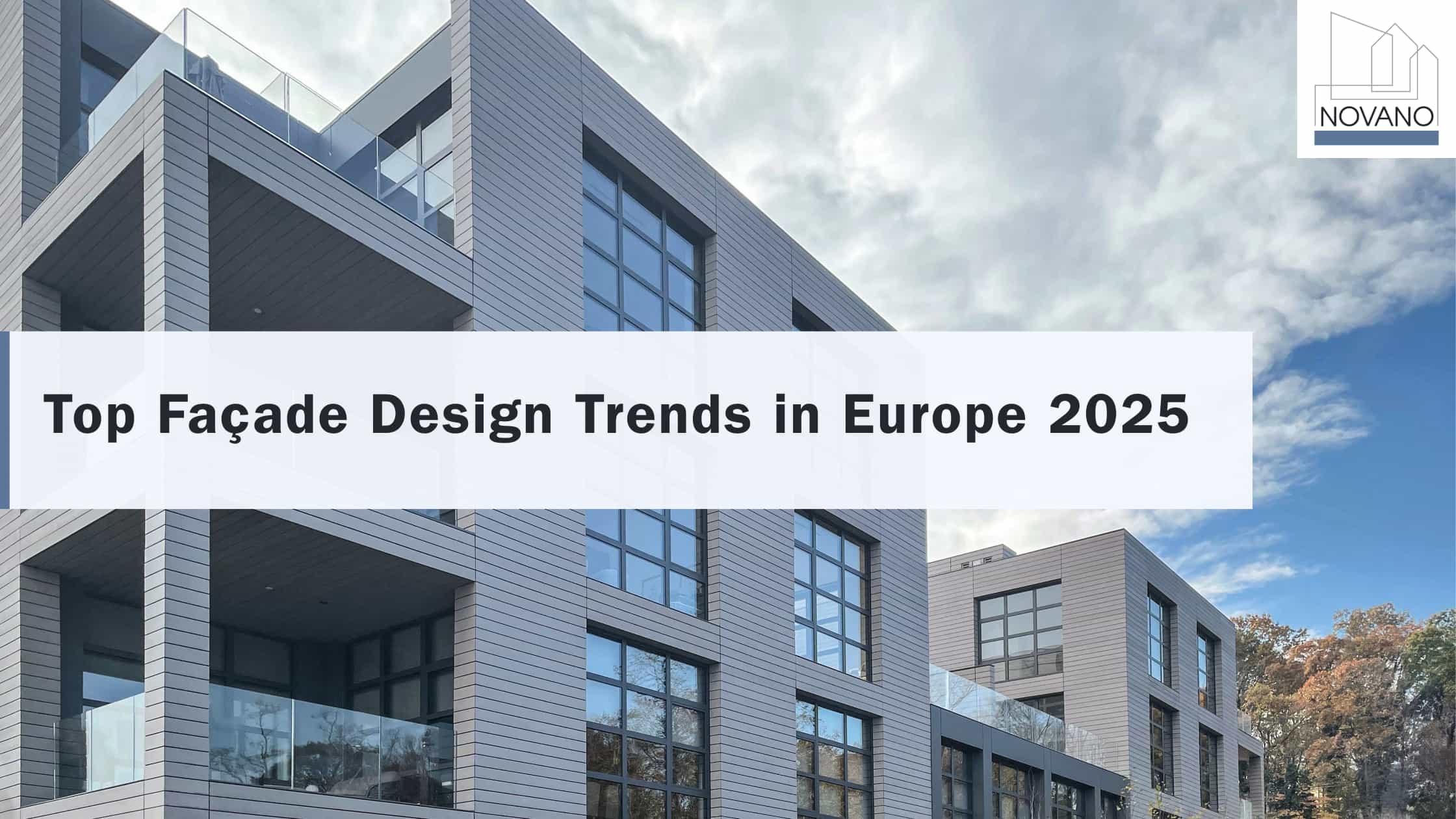
Top Façade Design Trends in Europe 2025
European architecture is experiencing a profound transformation as façades evolve from simple building skins into intelligent, high-performance systems. In 2025, façade design represents the perfect balance between environmental responsibility, technological innovation, and aesthetic excellence.
The European Union’s commitment to carbon neutrality by 2050 is driving unprecedented innovation in building envelope design. Architects across the continent are embracing façade solutions that reduce embodied carbon by up to 80% whilst delivering superior thermal performance, natural light optimisation, and occupant comfort. These developments reflect a broader shift towards buildings that actively contribute to urban sustainability rather than merely minimising their impact.
Key Takeaways
✓ Sustainability leads façade design in Europe in 2025, with low-carbon, recyclable, and modular systems shaping projects that meet strict climate goals.
✓ Technology and tradition converge, as smart adaptive façades improve efficiency while ceramic and brick-slip finishes preserve cultural character.
✓ Façades now serve people and cities, from green walls that cool and clean the air to designs that enhance well-being and urban resilience.
Design Trend #1: Sustainable & Low-Carbon Materials
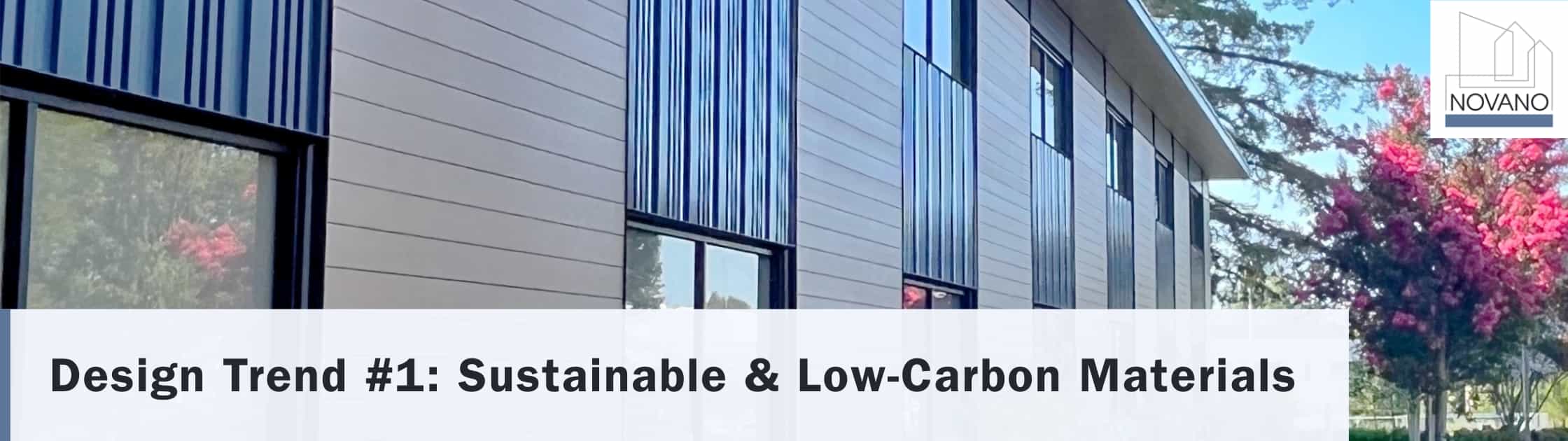
Sustainability remains at the core of Europe’s construction agenda. The EU’s Green Deal continues to drive policies that push architects and developers to adopt low-carbon materials. This shift reflects a growing preference for façades that minimise environmental impact without sacrificing quality or aesthetics.
Architects are increasingly using wood-free composite derived from natural waste streams. These materials offer durability and design flexibility while aligning with LEED certifications. Unlike timber, which requires frequent treatment, and vinyl, which poses recycling challenges, modern composites are fully recyclable and weather-resistant.
For architects, the appeal is twofold: improved environmental performance and reduced maintenance costs. A façade that resists rot, UV rays, and moisture not only supports sustainability goals but also delivers long-term savings for clients. In 2025, specifying low-carbon façades is no longer optional, it is a defining factor in winning projects and future-proofing designs.
Design Trend #2: Circular & Modular Systems
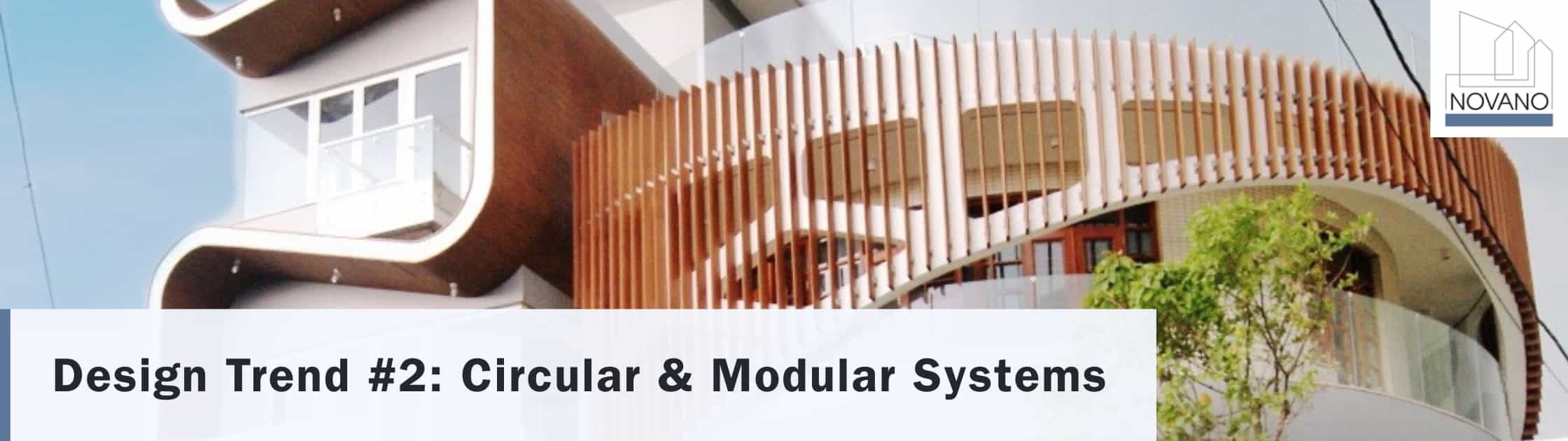
The shift towards circular construction is reshaping façades. Architects and developers are focusing on recyclable materials and systems that can be reused or adapted at the end of their lifecycle.
Modular façades play a central role in this trend. Prefabricated panels can be installed quickly, adjusted to site conditions, and later disassembled without waste. This approach saves time, reduces construction emissions, and ensures long-term flexibility.
For architects, modular façades unlock faster project delivery while supporting Europe’s circular economy goals. By prioritising design for disassembly, they are helping to build cities that are more sustainable and resource-efficient.
Design Trend #3: Smart & Adaptive Façades
Technology is transforming façades into responsive systems. Smart façades integrate shading devices, ventilation systems, and sensors that adapt to changing weather and daylight conditions. These façades improve indoor comfort by automatically regulating light and temperature while reducing energy consumption.
Adaptive façades are particularly relevant in European cities with mixed climates, where buildings need to perform efficiently throughout all seasons. The ability to dynamically respond ensures occupants experience consistent comfort without heavy reliance on mechanical heating or cooling.
As architects push towards energy-positive buildings, smart façades represent a crucial step forward in 2025.
Design Trend #4: Living & Green Façades
Green façades and vertical gardens continue to expand across Europe’s urban skylines. They are not only visually appealing but also deliver environmental benefits such as improved air quality, natural cooling, and increased biodiversity.
Cities with dense urban environments see green façades as vital for climate adaptation. By reducing the urban heat island effect and filtering pollutants, they contribute to healthier living spaces.
Beyond performance, green façades introduce biophilic design elements that enhance well-being. Architects in 2025 use them to reconnect people with nature, making façades both functional and restorative.
Design Trend #5: Ceramic & Brick-Slip Textures
Europe’s architectural identity is deeply rooted in heritage. In 2025, ceramic and brick-slip façades offer a way to bridge tradition with modern performance.
Brick-slip systems replicate the appearance of traditional brickwork but are thinner, lighter, and easier to install. Ceramic façades provide sleek, modern finishes while offering fire resistance and UV stability. Both materials help architects design façades that respect historic streetscapes while meeting today’s structural and efficiency standards.
Urban regeneration projects across cities like Berlin, Paris, and Milan increasingly feature façades that use ceramic panels or brick-slip finishes. This allows new buildings to blend seamlessly into older districts without compromising durability.
For architects, these textures provide creative freedom, combining tactile authenticity with cutting-edge building technologies.
Regional Influences & Climate Adaptation
Façade design in Europe must adapt to diverse climates and cultural contexts.
- Northern Europe: Insulation-heavy façades dominate, with triple glazing and daylight management essential to maintain warmth and efficiency.
- Southern Europe: Designs focus on shading, UV stability, and cooling strategies to reduce reliance on air conditioning.
- Central & Western Europe: Modular façades are popular, balancing the preservation of historic cityscapes with the demand for contemporary building performance.
These regional variations highlight why architects must select façade materials and systems carefully. Choosing designs that align with both climate resilience and cultural identity ensures buildings remain functional and visually relevant for decades.
Novano: The Future-Ready Façade Solution
At Novano Building Products Europe, façade innovation aligns directly with Europe’s 2025 design trends. Novano’s composite façade systems are fully recyclable, wood-free, and engineered to support green building certifications.
The material resists UV rays, rot, moisture, and insects, offering architects reliable long-term performance with minimal upkeep. Its finishes mimic the warmth of natural wood while providing modern colours and profiles suited for residential, commercial, and hospitality projects.
Applications extend beyond façades into soffits, trellises, and screen walls, offering architects flexibility for cohesive designs. By combining durability, sustainability, and aesthetic freedom, Novano ensures façades meet the demands of tomorrow’s cities. Get FREE Samples today!
FAQs
What sustainable façade materials are trending in Europe for 2025?
Low-carbon composites, recycled polymers, and bio-based alternatives are leading choices, offering durability, recyclability, and compliance with green building standards.
How do circular façade systems support long-term sustainability?
Circular systems are designed for disassembly and reuse, meaning panels and components can be recycled or repurposed at the end of their lifecycle, reducing waste and resource consumption.
What role do green façades play in urban environments?
They improve air quality, reduce heat, and introduce biophilic elements that connect people with nature in dense cities.